


1 min readCalibration Information
by Guy Gage | June 6, 2021 | Business, Leadership, Performance, Personal Management
Dishonest, Delayed Feedback
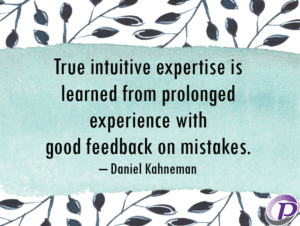
While I fully enjoyed all the Partner-Pipeline® training in my client firms over the last several weeks, I also feel a heaviness that saddened me. The courses revolve around building capacity by giving effective feedback. But I heard of too many experiences about receiving dishonest or delayed feedback.
In all areas of life, everyone relies and thrives on honest, timely feedback. For instance, when you are driving, your speedometer gives you immediate and accurate information about your speed, which allows you to calibrate to the standard (speed limit). You can speed up or slow down, depending on what you know. If there is no speed limit, or no timely and accurate information about your speed, you have to rely on your own perceptions. Being asked, “Do you know how fast you were going?” isn’t a trick question. And the officer is seldom swayed by your lack of awareness because you have immediate and accurate feedback right in front of you.
Feedback to Adjust
The point is that people need honest feedback to calibrate. Yet, class participants reported that some of the feedback they received was somewhat dishonest. They said they were led to believe they were doing okay or better, only to find out later it wasn’t the case. They said they felt let down because the ones delivering feedback wouldn’t tell the full truth.
In addition to lacking honesty, much of the feedback was not timely. To hear weeks or months later what they should have done was not only unhelpful, it eroded the trust relationship. It would have been much better to get the information in the moment and make corrections and adjustments then.
Here’s the baffling part—the class participants gave no indication that they give feedback any better. WHAT!? All of their laments and disappointments they experienced from their superiors could be said of them as well because they, too, struggle with giving feedback. Hopefully, they learned something about the importance of feedback and how to give it that will alter their behavior. The big question is whether they do, because not only is it easy to forego this important practice, it is generally tolerated in the profession. Crazy, I know.
Feedback Assignment
Their assignment was direct and clear—use what they learned to be better. Avoid the excuses of not wanting to hurt someone’s feelings, not wanting to disrupt a working relationship or not having the time to do so. All the “reasons” just don’t assuage the frustration that people feel when calibration information is withheld. We will see in another few weeks what and how they did. Stay tuned.
Read Related Blogs:
Capacity Is a Leadership Skill
As another tax deadline approaches, capacity is an overarching theme in my coaching calls, and probably a familiar conversation in your firm. I’m hearing We just need more people, and We need better technology, or We just need to get through this deadline. Sometimes,...
Sometimes the Best Development Happens in the Moment
I was coaching a firm Partner recently about one of her managers. She’s smart, technically strong, gets her work done, and the firm sees a lot of potential in her. But the Partner was frustrated because she wasn’t really stepping into leadership. My first question...
The Professional Skills Advantage
For years, the accounting profession has focused on becoming more efficient. Don’t get me wrong, efficiency matters. Technology is helping us automate work, analyze information and do more in less time. But efficiency alone isn’t going to build the firms we want for...

