

2 min readThe Best Know How To Recover
by Guy Gage | October 17, 2021 | Business, Leadership, Personal Management

Recovery Discipline Is Necessary
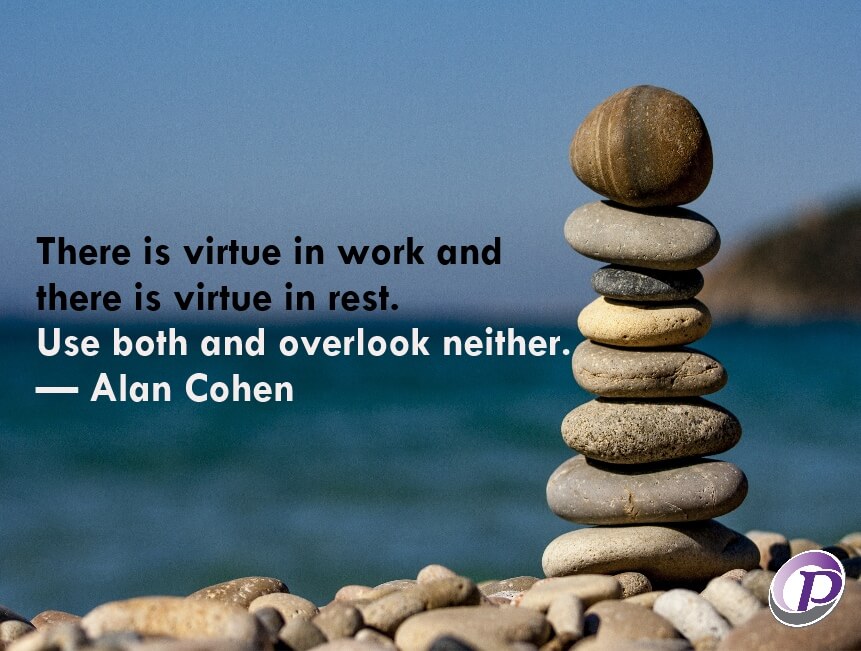
No performer in any endeavor expects to sustain high intensity training or performance with no breaks. Every high-functioning performer understands the cycle of their work. The research has shown that top performers, in whatever setting, schedule and adhere to a discipline of recovery as diligently as they do their training and performing. Do you?
Do you schedule your recovery time?
I remember an earlier day when I would schedule training, coaching and facilitation meetings back to back to back to back… For me, it was a badge of honor to be able to endure the extended, fast-paced workload. But eventually it would catch up to me and I would temporarily lose my motivation to do what I love. That’s not a good sign. I soon found that regardless of my love for my craft, I had to accept the fact that, without recovery, there is declining enjoyment.
That’s when I began actually scheduling recovery time. I intentionally set aside specific activities just for recovery’s sake. I like to read, so I have a book ready. I like to go for walks up and down the hills so I make time for that. I like to tinker in the shop, so I have a project or two in mind. Aside from my normal routines and rituals, most things are discretionary, meaning I don’t have to be “on.”
At first, it was difficult because I had to battle the belief that time is wasting if it wasn’t filled with things to do, places to go and people to see. Fortunately, I learned these lessons before I experienced burnout, which has finally been designated as a real thing—a medical condition with a treatment plan.
I have to acknowledge that it is common for my coaching clients to report that they haven’t been very intentional with their recovery. They think about it but don’t plan it. They plan it but don’t schedule it. They schedule it but don’t follow through. Some hold to the idea that recovery is for the weak, which itself is a demonstration of weakness. The inability to accept the limitations of full intensity undermines your ability to perform.
What Is Your Recovery Plan?
Do you plan for and schedule your recovery ahead of time? It isn’t a good idea to wait until you are ready for it. You should make it a part of your entire performance planning and preparation. And I’m talking more than just blocking off time on your calendar and composing your away message. You have your own needs and preferences of how to recover and if you don’t take care of yourself, you aren’t likely to survive or enjoy the long haul.
Today, look at your discipline of recovery and how it matches the intensity of your work. Why? Because the best know how to recover.
Read Related Blogs:
Don’t Rush Past the Finish Line
After an intense tax deadline, it can be tempting to immediately move on to the next thing. There are emails to catch up on. Projects that were pushed aside. Conversations that need to happen. And, of course, there’s always another deadline somewhere on the horizon....
While We Get The Work Done
One week to go. There will be plenty of reasons to focus only on getting the work done and meeting the deadline, but leadership is happening in the middle of it all. In the conversation with the staff member who is overwhelmed. In the decision to pause and coach...
When Everything Feels Urgent
As another deadline gets closer, there’s no shortage of things that feel urgent. A client needs something. A return needs review. A staff member has a question. Someone is behind. And suddenly, everything feels like it needs your attention right now. This is where...

